 |
|
|
|
|
|
|
|
|
|
|
|
|
|
|
|
|
|
|
|
|
|
|
|
|
|
|
|
|
|
|
 |
|
|
|
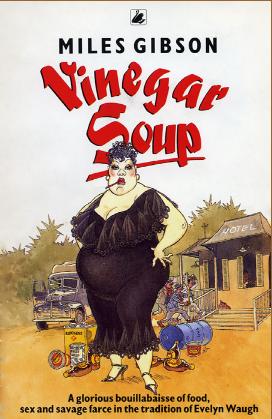





She was fifteen when she let loose her breasts for cup cakes, pushed against a pantry wall, hair wild, mouth plugged with fudge, while a boy called Arthur searched her shirt. She tried to scream but found she could only manage a sigh as she chewed on the wages of sin.
A week after her sixteenth birthday she learned the price of brandy snaps. She was a simple, solid slab of a girl with vacant eyes and yellow hair that fell in curls against her neck. He was a small, neat man with a pencil moustache and drove the local baker’s van. She was too embarrassed to ask his name. He led her into the back of the van and set her free among the wooden trays, rooting for shortcake and macaroons. He stuffed her with sponge. He poked her with cherries. And when she was properly sugared and spiced, he peeled off her dress with his long, white hands and rolled her out like pastry.
In 1965 she left home to live in London, serving in a flower shop and learning to type at night-school. Renting a room in a draughty attic. A plump girl with bad skin. Once a week she wrote a letter home to her mother: small pages of spidery writing composed on Sunday afternoons. Her mother replied with weekly instructions: choose flat shoes, wear warm pants, sleep for eight hours every night, eat fresh fruit, beware of men. Hazel followed her advice.
The owner of the flower shop was a sad little Turk called Freddie Farouk. He was a fat man with a loose, grey face and ears as curly as walnuts. His shoes creaked. His bones cracked. His clothes had a smell of funeral wreaths, elaborate hoops of doom. He could not endure the bright splash of summer flowers and the shop was draped through all the seasons in bundles of blue, black leaves that dripped with sorrow and darkness.
Each morning, after Hazel had swept the floor and filled the buckets, stripped stems and trimmed branches, Freddie Farouk would arrive to inspect the display. He liked the poppies and corpse-white lilies, but the sight of roses distressed him, carnations depressed him and violets made him maudlin. He was a glutton for punishment. At the end of his inspection he would wrap his nose in a handkerchief, snort and wag his head. The melancholy seemed to sweat from his skin and make his collar curl.
‘You’re a good girl, Hazel,’ he would gasp, slapping his wrist with the handkerchief. And then he would retreat to the back of the shop and sit behind the curtain.
Hazel worked hard among the funeral flowers. She learned to weave hearts from bunches of holly and make buttonholes for widows’ weeds. But the winter was hard and the days were dark. She couldn’t keep warm in her attic room. The shop was damp and her shoes began to leak. One afternoon she collapsed among the chrysanthemums. When Freddie Farouk discovered the girl she had drained so pale he thought she was dead. He wrapped her in his overcoat, picked the petals from her hair and squeezed her breasts as he felt for her heart. When she struggled he called a cab and sent her home.
The next morning she had grown too weak to raise her head from the pillow. Her face was burning but her hands were blue. She lay helpless under the blankets and shivered herself to sleep. Rain crackled on the blistered ceiling. The dust in the carpet danced on the draught.
When she woke again it was almost dark and the room was filled with lilies.
2
3